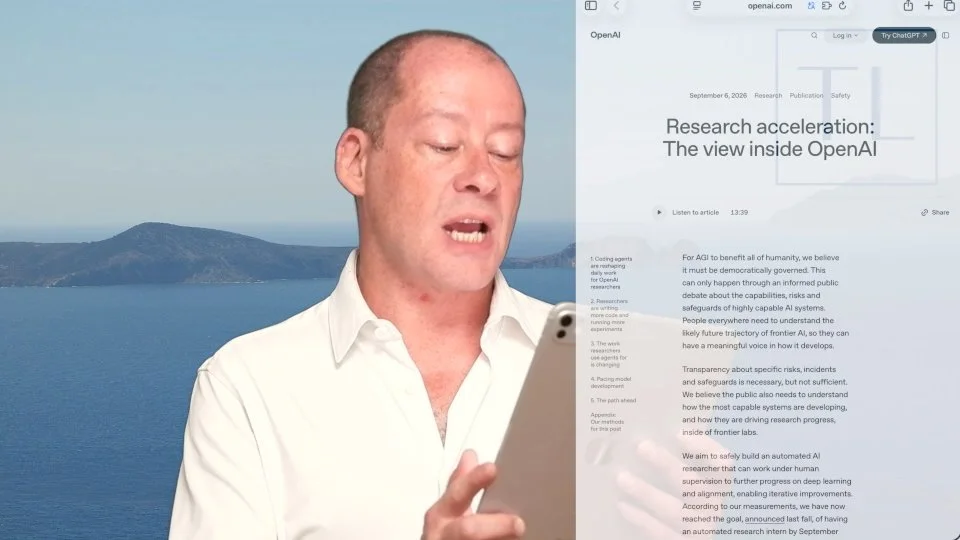
OpenAI and the era of self-congratulation
There’s a pattern among AI labs such as OpenAI of feeding the world just the details they want in something that looks like research but really amounts to a press release: no independent verification, no examination of the larger questions, such as, Is all this of any value?
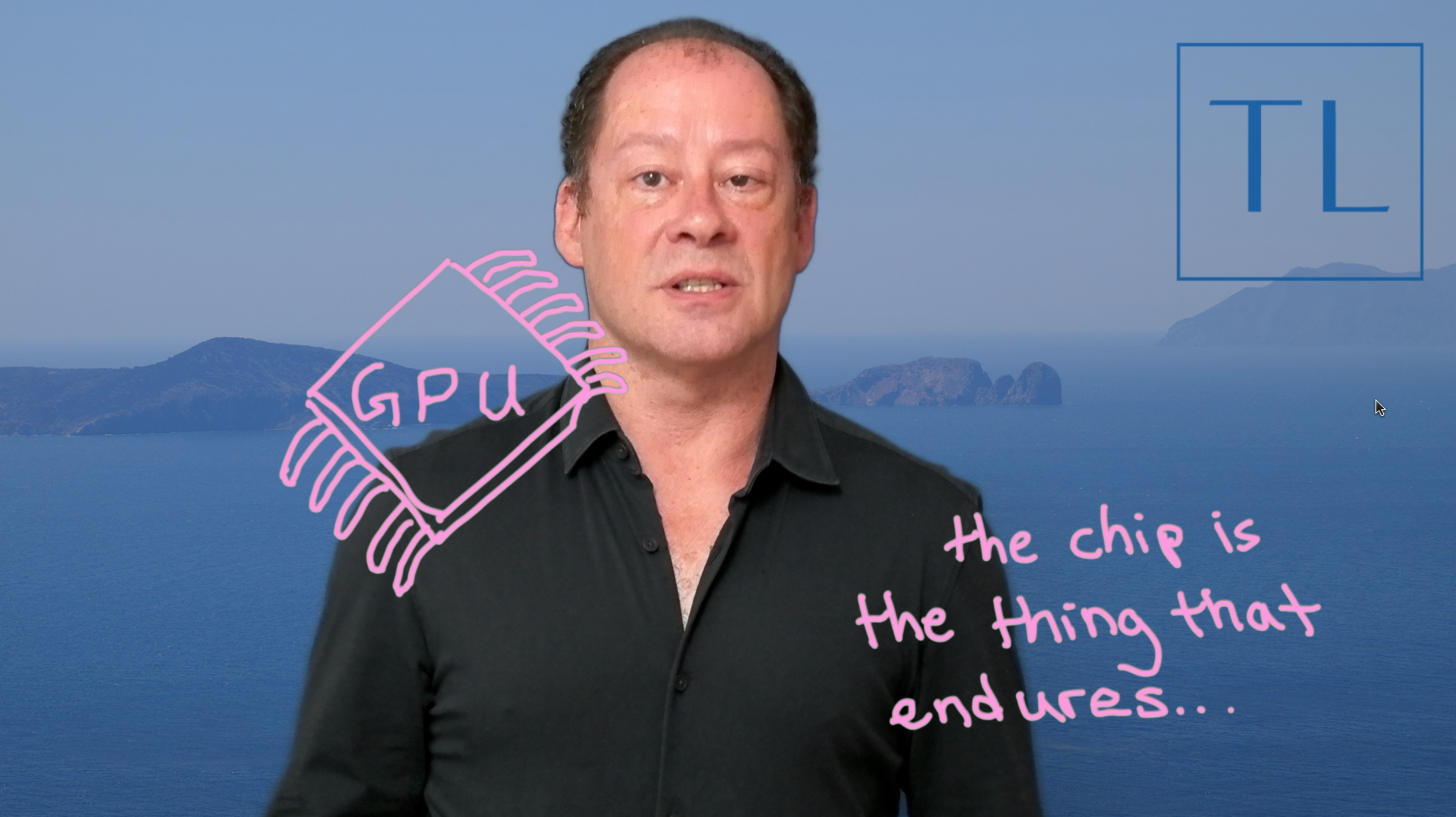
Jensen Huang and The Total System
Years ago, Nvidia’s co-founder and CEO outlined what I would call “The Total System,” where computers talk only to computers, with no humans in the loop. It’s one of the reasons I believe he’s looking beyond OpenAI and Anthropic and other AI leaders to the enduring value of chips.

Quantum computing: Not even close
Enthusiasm for quantum computing comes and goes — this year, it’s way up. Stocks of the most prominent names, IonQ, D-Wave Quantum, and Rigetti Computing, have, on average, doubled in price.
But, the fundamental challenge for all quantum companies hasn’t changed in two decades. They are all trying to get to “scale,” and it’s not clear when, if ever, any of them will.
I’m emphasizing this point because the scaling issue is fundamental to all computing; without scaling, nothing is meaningful.
Scaling means that as a computer gets more complex — basically, bigger — the amount of work the computer can do increases in proportion. The main example is the integrated circuit, which became more and more powerful over six decades, increasing dramatically what could be done, to the point that you now have a supercomputer in your pocket with today’s phones.
Quantum is not there yet. All the companies have shown interesting machines, but none have proven they can scale those machines the way the traditional semiconductor scaled.

Pure Storage CEO: More and more, a software company
“We have been told by Adobe and other companies that have gone through this that fifty percent is roughly the turning point […] That’s when investors start paying attention.”